
Micro-pigmentation
Scalp Micropigmentation (SMP) Scalp Microblading Nano Hairline Hair Strokes Beard Micropigmentation
$250 first hour $200 each additional hour
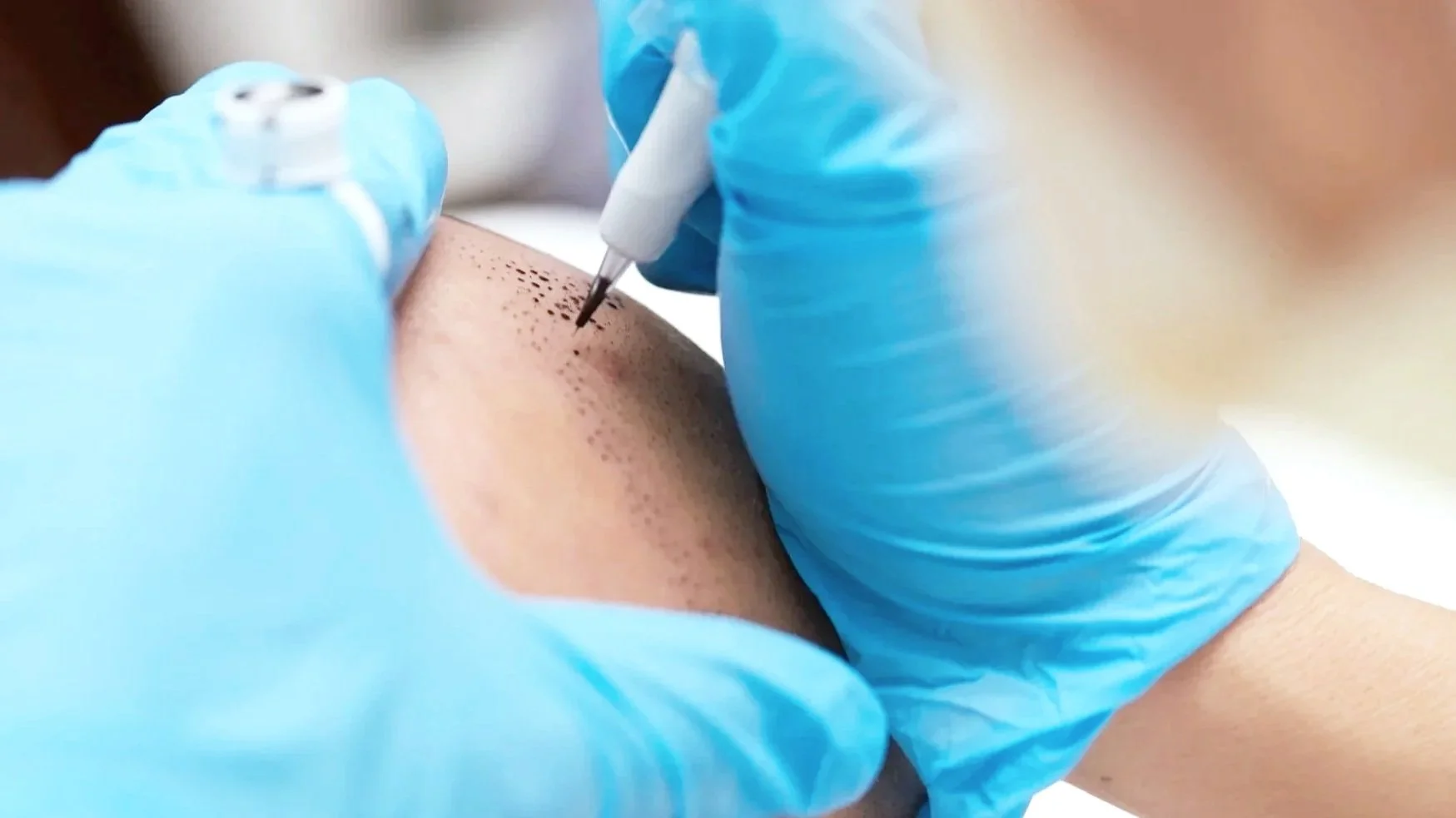
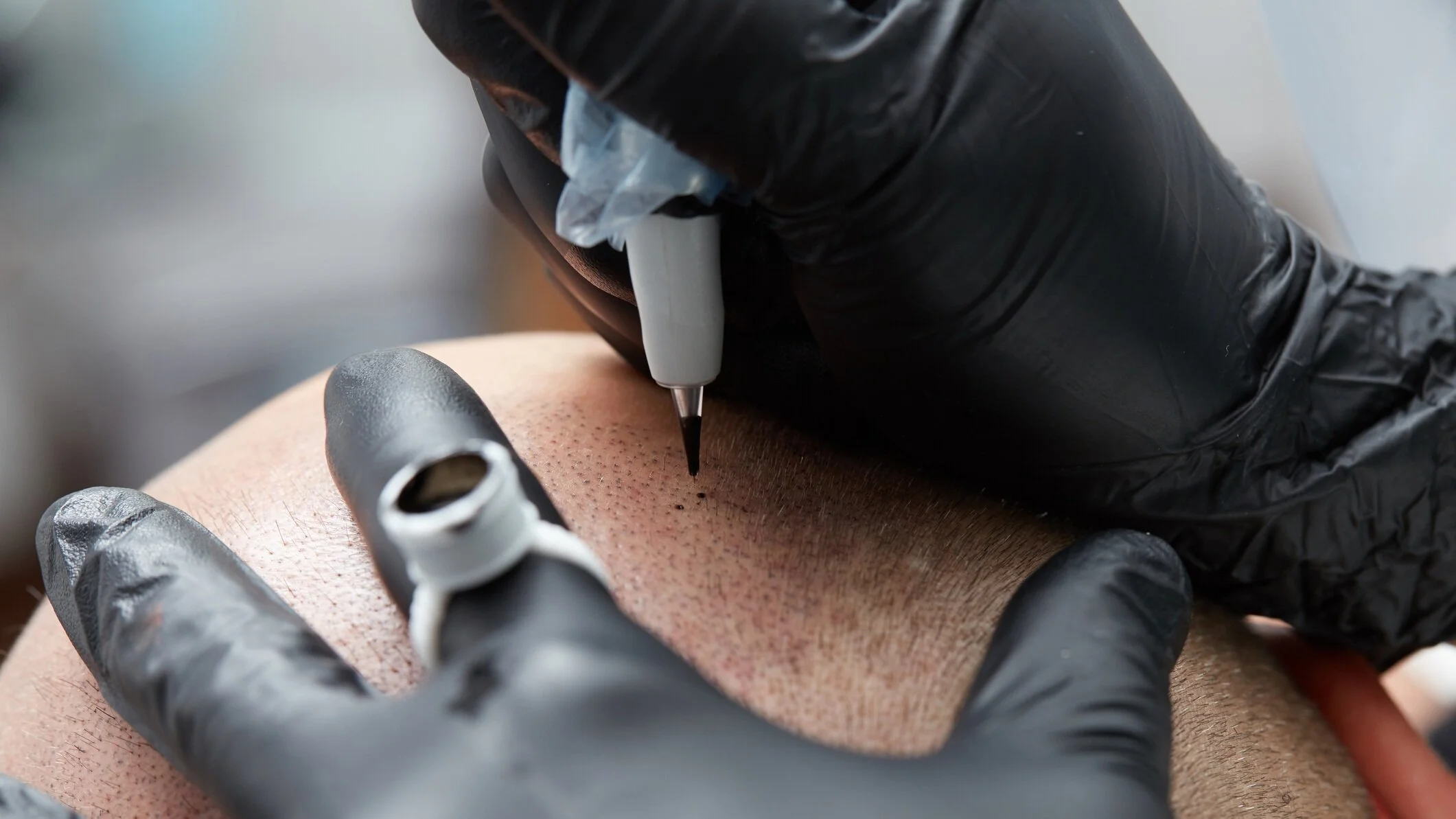
Scalp Micropigmentation (SMP) is a hair restoration tattooing technique that creates the look of fuller, thicker hair. Using specialized tattoo machine, needles, and pigment, tiny micro-dots are tattooed onto the scalp to simulate natural hair follicles and restore the appearance of density on the scalp or hairline.
For clients with longer hair and receding or thinning hairlines, nano hairline and scalp microblading can also be performed to create fine, realistic hair-like strokes around the hairline, resulting in a soft, natural finish that blends seamlessly with existing hair.
SMP and scalp microbalding are excellent solutions for thinning hair, receding hairlines, alopecia, or scars along the hairline from procedures such as facelifts or hair transplants. Each pigment shade is custom-matched to your natural or desired hair color to ensure a natural, realistic result.
Beard micropigmentation is a non-surgical solution to enhance facial hair density and definition. This advanced cosmetic tattoo technique creates the look of fuller, thicker facial hair by replicating natural hair follicles. Ideal for filling patchy beards or shaping a sharper beard line, results are natural-looking, long-lasting, and low maintenance.
With proper care, SMP typically lasts 1–3 years before a color refresh is needed.
Scalp Micropigmentation(SMP) FAQs
-
Scalp micropigmentation (SMP) is a non-surgical cosmetic treatment for hair loss that creates the appearance of fuller hair by depositing tiny pigment impressions into the scalp. Using specialized microneedles, a trained practitioner places medical-grade pigment into the upper dermis of the scalp to replicate the look of natural hair follicles.
This hair tattoo technique is commonly used to treat male pattern baldness, thinning hair, receding hairlines, alopecia, and scalp scars. The result is the look of a closely shaved head, increased hair density, or the camouflage of visible scalp in thinning areas.
Scalp micropigmentation is suitable for men and women experiencing hair loss and can also be used to conceal hair transplant scars or other scalp imperfections. The treatment is typically performed over multiple sessions to gradually build natural-looking density and a realistic hairline.
Unlike hair transplant surgery, SMP requires no downtime and minimal maintenance, making it a popular solution for clients seeking an immediate improvement in the appearance of thinning hair.
Key benefits of scalp micropigmentation include:
Creates the appearance of fuller, thicker hair
Provides a natural-looking shaved head or denser hairline
Camouflages scalp scars and thinning areas
Non-surgical hair loss solution
Long-lasting results with minimal upkeep
Scalp micropigmentation is one of the most effective cosmetic hair loss treatments available for individuals looking to restore the look of a full head of hair without surgery.
-
Scalp micropigmentation (SMP) is an effective non-surgical hair loss solution for men and women experiencing various types of hair thinning or baldness. Ideal candidates are individuals who want the appearance of fuller hair without undergoing hair transplant surgery.
SMP works by depositing tiny pigment impressions into the scalp to replicate the look of natural hair follicles, making it a great option for people seeking a natural-looking hairline, added hair density, or scalp scar camouflage.
You may be a good candidate for scalp micropigmentation if you:
Have male pattern baldness or female pattern hair loss
Experience thinning hair or a receding hairline
Have alopecia (including alopecia areata or totalis)
Want to create the look of a closely shaved head
Have hair transplant scars or scalp scars you would like to conceal
Want to make thinning hair appear denser and fuller
Prefer a non-surgical hair restoration treatment
SMP can also be an excellent solution for individuals who are not good candidates for hair transplant surgery due to limited donor hair, medical conditions, or personal preference.
During a consultation, we will evaluate your hair loss pattern, scalp condition, skin tone, and desired hairline design to determine if scalp micropigmentation is the right treatment for you.
-
Most scalp micropigmentation (SMP) treatments require 2–3 sessions to achieve the most natural-looking and long-lasting results. Each session can be anywhere from 30 minutes to 4 hours depending on that size of the procedure area. Each appointment gradually builds layers of pigment to replicate the appearance of real hair follicles and create realistic density.
During the first session, the SMP artist establishes the hairline design and base layer of pigment. The second session adds depth, density, and refinement to ensure the hair tattoo treatment blends naturally with your existing hair. In some cases, a third session may be recommended to perfect the result or increase the appearance of fullness.
Sessions are typically scheduled 3-4 weeks apart to allow the scalp to heal properly and for the pigment to settle before additional layers are added.
The exact number and length of each session for scalp micropigmentation for hair loss depends on several factors, including:
The extent of hair thinning or baldness
Whether you want added density or a full shaved-head look
The presence of scalp scars or hair transplant scars
Your skin type and scalp condition
Your desired level of hairline definition and fullness
Your SMP practitioner will evaluate your hair loss pattern, scalp health, and aesthetic goals during the consultation to create a customized treatment plan.
Most clients see a dramatic improvement in the appearance of thinning hair and receding hairlines after completing their recommended SMP sessions.
-
Yes, scalp micropigmentation (SMP) can be performed on individuals with long hair or medium-length hair. In fact, SMP is commonly used as a hair density treatment to reduce the contrast between the scalp and thinning hair, making the hair appear thicker and fuller.
Instead of creating the look of a shaved head, SMP can be strategically applied between existing hair follicles to give the illusion of increased hair density. This technique is especially helpful for people experiencing thinning hair, widening parts, or visible scalp through longer hairstyles.
Scalp micropigmentation with long hair is often recommended for individuals with:
Diffuse thinning hair
Female pattern hair loss
A widening hair part
Thinning at the crown
Areas where the scalp shows through the hair
During treatment, the practitioner carefully places pigment to match the natural hair follicle color and density, ensuring the results blend seamlessly with your existing hair.
For the most natural results, clients typically keep their hair at least a short-to-medium length so the micropigmentation enhances density rather than creating a shaved look.
Scalp micropigmentation is a versatile non-surgical hair loss treatment that can be customized for both shaved styles and longer hairstyles, helping create the appearance of thicker, fuller hair without surgery.
-
Beard micropigmentation is a non-surgical cosmetic treatment that creates the appearance of a fuller, more defined beard by depositing tiny pigment impressions into the skin. Similar to scalp micropigmentation (SMP), this advanced micropigmentation technique uses specialized microneedles and medical-grade pigment to replicate the look of natural beard stubble or hair follicles.
This beard tattoo treatment is designed to enhance facial hair by filling in patchy beard areas, thinning facial hair, beard scars, or uneven growth patterns. The result is the look of a denser, well-groomed beard or sharper beard line, without the need for surgery or daily makeup products.
Beard micropigmentation is a popular solution for men who want to improve the appearance of their beard density, jawline definition, or mustache fullness. It can also be used to camouflage acne scars, facial scars, or gaps in facial hair growth.
Benefits of beard micropigmentation include:
Creates the look of a fuller, thicker beard
Fills in patchy or uneven facial hair
Enhances beard shape and definition
Camouflages scars or sparse areas in the beard
Provides a long-lasting, low-maintenance beard solution
Non-surgical treatment with minimal downtime
Beard micropigmentation is an effective cosmetic solution for patchy beards and thin facial hair, helping clients achieve the appearance of a fuller, more defined beard that looks natural and well balanced with their facial features.
-
Proper scalp micropigmentation aftercare is essential to ensure optimal healing, pigment retention, and long-lasting results. Following your SMP treatment, the scalp needs time to heal while the pigment settles naturally into the skin.
During the first 3–5 days after scalp micropigmentation, it’s important to keep the scalp clean, dry, and free from irritation.
General SMP aftercare guidelines include:
Avoid washing your scalp for the first 4-5 days after treatment.
Do not engage in activities that cause excessive sweating, such as intense workouts, saunas, or steam rooms.
Avoid direct sun exposure and tanning beds while the scalp heals.
Do not shave the treated area until your practitioner advises it is safe.
Avoid swimming pools, hot tubs, and the ocean for about 5–7 days.
Do not apply hair products, oils, or lotions to the treated area during the initial healing period.
Refrain from picking, scratching, or exfoliating the scalp.
After the healing period, keeping your scalp moisturized and protected from sun exposure will help maintain the color and clarity of the pigment. Many SMP practitioners recommend using a broad-spectrum SPF on the scalp to prevent fading.
Following proper SMP aftercare instructions helps ensure the pigment heals evenly and that your scalp micropigmentation results look natural and long-lasting. Most clients return for occasional SMP touch-ups every few years to keep the treatment looking fresh.
-
Scalp microblading is a semi-permanent cosmetic treatment for hair loss that uses a manual handheld tool to create fine, hair-like strokes on the scalp. The technique deposits pigment just beneath the skin to mimic the appearance of individual strands of hair, helping improve the look of thinning hair, receding hairlines, and sparse areas.
This treatment is similar to eyebrow microblading, but it is performed on the scalp to give the illusion of natural hair growth and increased hair density. Scalp microblading is typically used to enhance the hairline or fill in small areas of thinning where individual hair strokes can blend with existing hair.
Scalp microblading is often compared with scalp micropigmentation (SMP), but the techniques create different visual effects. Microblading produces fine hair-like strokes, while scalp micropigmentation uses tiny pigment impressions to replicate the look of shaved hair follicles or shadow density.
Scalp microblading may be suitable for people who:
Have mild to moderate thinning hair
Want to improve the appearance of a receding hairline
Have small patchy areas of hair loss
Want to add natural-looking hair strokes to the scalp
Benefits of scalp microblading include:
Creates the appearance of individual hair strands
Helps improve the look of thinning or sparse areas
Enhances the hairline shape and fullness
Provides a semi-permanent hair loss solution
Because the scalp tends to produce more oil than the eyebrow area, scalp microblading may require more frequent touch-ups and may not last as long as scalp micropigmentation. For this reason, many practitioners recommend scalp micropigmentation as a longer-lasting hair loss treatment for most clients experiencing significant thinning or baldness.
-
A nano hairline is an advanced hairline restoration technique that uses ultra-fine needles to create delicate hair-like strokes in the hairline, rather than the dot impressions typically used in scalp micropigmentation (SMP). The goal is to mimic the appearance of individual strands of hair growing naturally along the front of the hairline.
Using specialized nano needles, the practitioner implants pigment in fine, directional strokes that replicate the look of natural baby hairs and soft hairline growth. This technique helps create a feathered, realistic hairline that blends seamlessly with existing hair.
A nano hairline strokes are often chosen by clients who want to rebuild or refine their hairline while maintaining a natural, soft appearance. It is especially helpful for individuals who still have some hair but want to fill in receding corners, sparse hairline areas, or uneven growth.
Nano hairline strokes can help:
Create realistic hair-like strokes in the hairline
Soften or rebuild a receding hairline
Fill in sparse or thinning areas at the front of the scalp
Add the look of natural baby hairs
Blend the hairline with existing hair for a more natural transition
Unlike traditional SMP, which creates the appearance of shaved hair follicles with tiny dots, nano hairline techniques focus on individual stroke patterns that imitate real hair strands. This makes it an excellent option for clients who want a soft, natural-looking hairline enhancement rather than the look of closely shaved hair.